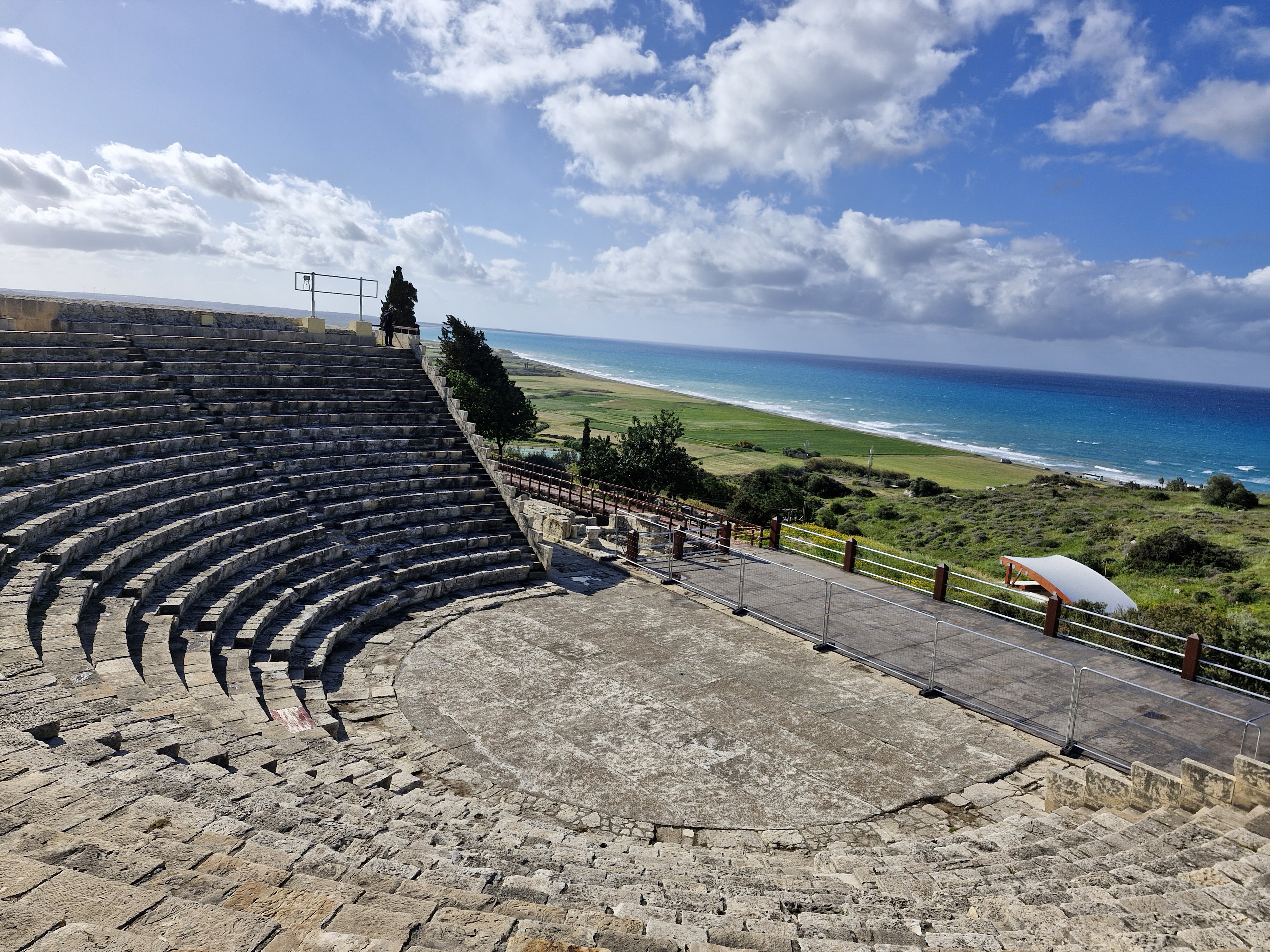
Kourion Ancient Amphitheater (Episkopi)
Historic Landmark · Episkopi, Limassol, Cyprus
Discover Kourion Ancient Amphitheater
Welcome to Kourion Ancient Amphitheater, widely recognized as the central Kourion. Located in the heart of Episkopi, Limassol District, Cyprus, this destination serves as a primary hub for travelers visiting the region.
The Ancient Theater of Kourion is one of the most impressive archaeological sites in Cyprus. Built in the 2nd century BC and expanded during Roman times, it offers breathtaking views of the Mediterranean Sea. Today, it continues to host cultural performances and concerts.
Kourion Ancient Amphitheater → Episkopi → Limassol District → Cyprus
When visiting Kourion Ancient Amphitheater, visitors can easily explore surrounding historical landmarks and points of interest, including the Sanctuary of Apollo Hylates and the House of Eustolios.
Visit Tips
- Best time to visit is early morning or late afternoon.
- Wear comfortable shoes for walking on ancient stones.
- Bring water and sun protection in summer.
- Don't miss the panoramic view of the sea from the theater.
Highlights
- Spectacular Mediterranean views
- Well-preserved Roman theater
- Active cultural venue
- Ancient architectural marvel
About Kourion Ancient Amphitheater
Basic Information
Official Name
Kourion Ancient Amphitheater (Αρχαίο Θέατρο Κουρίου)
Attraction Type
Ancient Monument / Archaeological Site
Google Rating
4.7 (6,433)
Contact Phone
+357 25 934 250
Accessibility
Partially accessible
Plus Code
MV7Q+P49
Address
MV7Q+P49, Episkopi, Akrotiri and Dhekelia 4620, Cyprus
Visiting Hours
Site Access
Winter (Sep 16 – Apr 15): 8:30–17:00 · Summer (Apr 16 – Sep 15): 8:30–19:30
Best Time to Visit
Spring: Pleasant weather, wildflowers bloom
Summer: Early morning or late afternoon recommended
Best Time to Visit
Autumn: Mild temperatures, ideal for exploring
Winter: Fewer crowds, clear atmosphere
Allow 1-2 hours for a full visit. Bring water and sun protection. The site is closed on Christmas, New Year's Day and Greek Orthodox Easter.
Admission Information
Site Admission
€4.50 for adults, free for children under 12
Parking
Free parking available on-site
Guided Tours
Available through Department of Antiquities
Location & How to Visit Kourion in Episkopi
From Limassol Center
Distance about 19km west of Limassol. Car or bus recommended.
From Paphos/Larnaca Airport
Rent a car or take a taxi. About 40km from Larnaca, 50km from Paphos.
By Public Transport
Take bus route 16 or 17 from Limassol to Episkopi.
Public Transport
Bus routes 16/17 from Limassol to Episkopi village.
Walking
Not recommended from Limassol center (19km).
Driving
Follow the B6 coast road west from Limassol. Well signposted.
Visitor Facilities & Amenities
The following facilities are available at or near the site. As an independent, non-commercial guide, we describe only facility types — no specific businesses are recommended.
Public Toilets
Restroom facilities are located at the archaeological site entrance. Availability may vary by season.
Parking
Free parking is available near the site entrance. On busy summer days, arrive early.
Dining
Traditional Cypriot tavernas, cafes, bakeries and light-dining options are found in Episkopi village and along the Kourion Beach road.
Accommodation
Hotels, guesthouses, holiday apartments and seaside resorts are available in Limassol city and surrounding villages, a short drive away.
Shops & Supermarkets
Supermarkets, minimarkets and convenience stores operate in Episkopi village and nearby towns for food, drinks and essentials.
Fuel & Charging
Petrol stations are located along the B6 coastal road. Electric-vehicle charging points are available in Limassol and larger towns.
Water & Shade
The site is open and exposed; bring drinking water and sun protection, especially between June and September.
Accessibility
The main route to the theater is partially accessible. Ancient stone steps and uneven ground limit full wheelchair access.
About Kourion Ancient Amphitheater
History & Archaeology
The Ancient Theater of Kourion was built in the 2nd century BC and significantly expanded during the Roman period (2nd-3rd century AD). It could seat up to 3,500 spectators. The theater was destroyed by earthquakes in the 4th century AD but was partially restored in the 20th century.
Location & Views
Located on a hill near Episkopi village in Limassol district, the theater offers panoramic views of the Mediterranean Sea and the surrounding countryside. Its elevated position (about 50m above sea level) provides natural acoustics and a stunning backdrop for performances.
Architecture & Design
The theater follows classical Hellenistic and Roman design principles with semicircular seating (cavea), a circular orchestra, and a scenic background (scaenae frons). The restoration work has preserved the original stone seating and architectural elements.
Preservation & Management
The site is managed by the Department of Antiquities of Cyprus and is protected under Cypriot heritage laws. Ongoing conservation efforts ensure the theater remains structurally sound while maintaining its authenticity.
History, Legends & Stories
The stories behind the stones: how Kourion was founded, named, and lost.
These accounts combine ancient tradition with the findings of modern archaeology.
The Founding Legend
Tradition holds that Kourion was founded by Greek settlers from Argos in the Peloponnese. Archaeology supports the story in essence: Mycenaean Greeks established one of the island's earliest Greek settlements here around the 13th century BC, making Kourion a gateway of Hellenic culture in Cyprus.
A Name from the River
The city most likely took its name from the nearby Kouris River, which still waters the valley below. Like many ancient Cypriot cities, Kourion's identity was bound to its landscape and waterways.
The Theater and the Gladiators
In the early 3rd century AD, the theater was converted into an arena for gladiatorial combat and wild-beast shows. When these games declined toward the end of the century, the building returned to its original purpose as a venue for drama and music — a rare second life for an ancient stage.
The Great Earthquake of AD 365
On 21 July AD 365, one of the most powerful earthquakes in Mediterranean history devastated the southern coast of Cyprus. Kourion was largely destroyed, and wealthy villas such as the House of Achilles collapsed. Ironically, the rubble sealed their exquisite floor mosaics, preserving them until archaeologists uncovered them in the 20th century.
The Mosaics of the House of Achilles
Excavated from 1938 by the University of Pennsylvania, the House of Achilles takes its name from a striking mosaic panel showing the sea-nymph Thetis bathing the infant Achilles — a rare and vividly colored scene from Greek myth that became one of the most celebrated artworks of Cypriot archaeology.
Rediscovery and Restoration
After centuries of ruin, the theater was excavated from 1933 onward by the University of Pennsylvania and later by other missions and the Cypriot Department of Antiquities. Carefully restored, it now hosts concerts and drama every summer, bringing the ancient stage back to life.
Landmarks & Attractions Around Kourion
When visiting Kourion Ancient Amphitheater, visitors can easily explore surrounding historical landmarks and points of interest, including the Sanctuary of Apollo Hylates and the House of Eustolios.
Sanctuary of Apollo Hylates
The most important sanctuary in the Kourion kingdom, dedicated to Apollo Hylates, the god of the woodland. Its temple, baths, and pilgrimage paths lie about 2.5 km west of the theater.
House of Eustolios
A lavish Late Roman villa inside the Kourion site, famous for its exquisite floor mosaics that survive almost intact, with a central inscription welcoming visitors.
Roman Baths of Kourion
Well-preserved public bathing complex with caldarium, tepidarium and frigidarium rooms, showing how Roman engineering served the ancient city.
Early Christian Basilica
The remains of a large 5th-century three-aisled basilica with mosaic floors, located on the acropolis plateau above the theater.
Kourion Beach (Curium Beach)
A long, sandy Blue-Flag beach at the foot of the Kourion cliffs, a perfect spot to relax after exploring the archaeological site.
Episkopi Village
The local village below the site, with traditional Cypriot tavernas, the Episkopi village museum, and views up to the ancient acropolis.
Recommended Route
Explore the ancient theater and surrounding ruins.
Enter the Kourion Archaeological Site
Visit the Ancient Theater first
Explore the Roman baths and houses
See the early Christian basilica
Enjoy the view from the theater seats
Photo Gallery
Ancient Beauty of Kourion
Theater overview from above
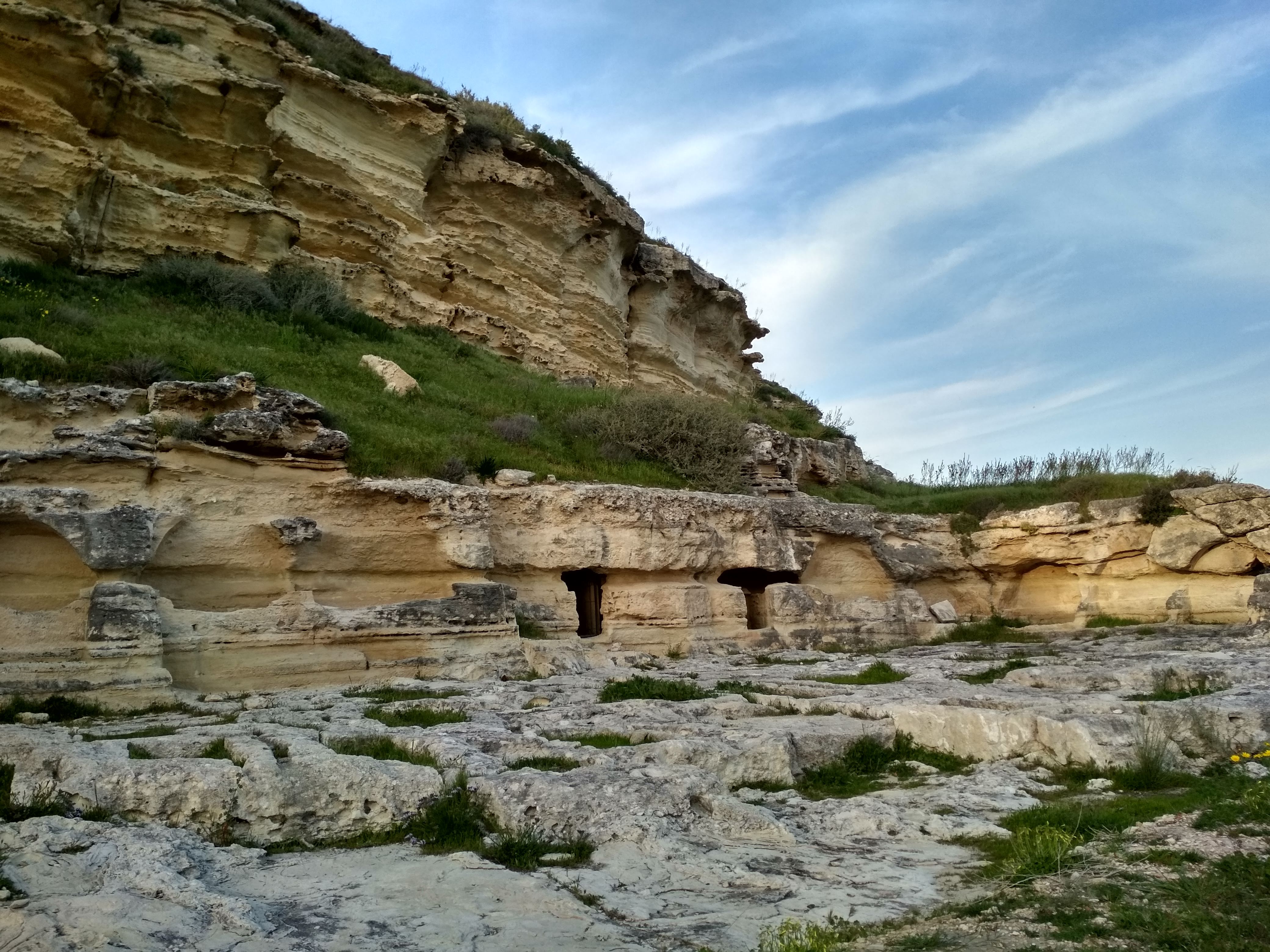
Seating area with sea view
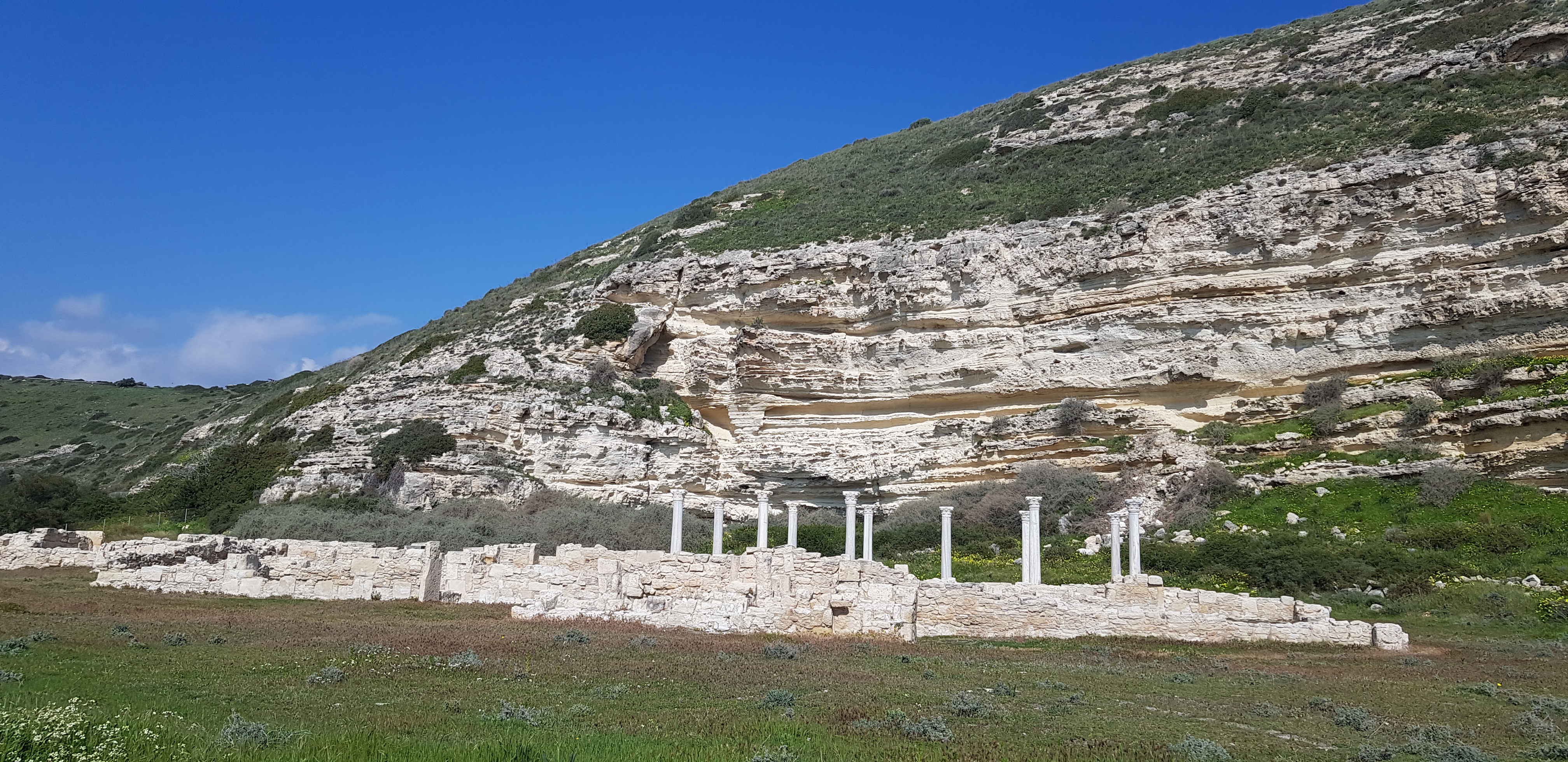
Ancient stone seats
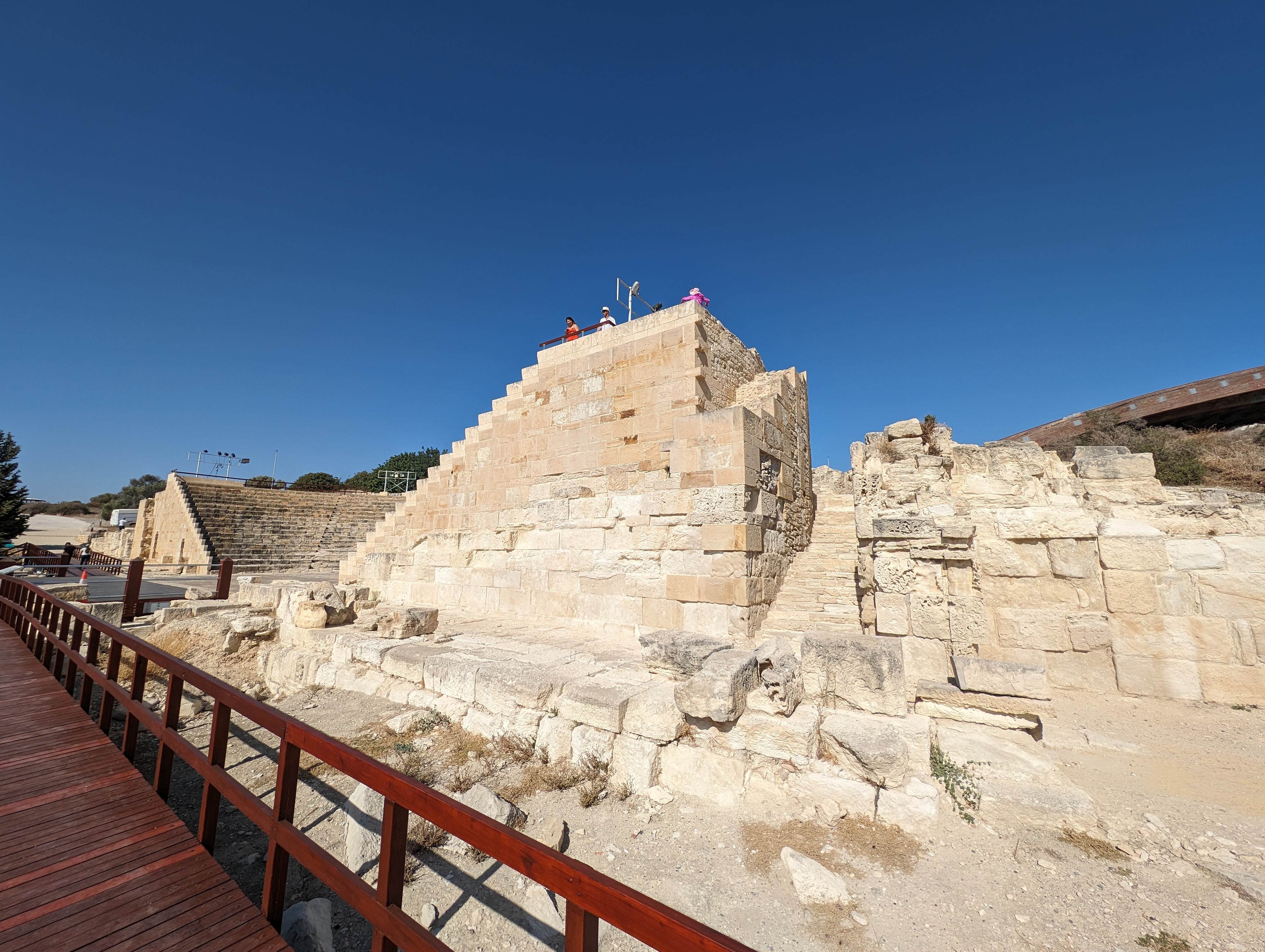
Stage and orchestra area

Theater in golden sunlight
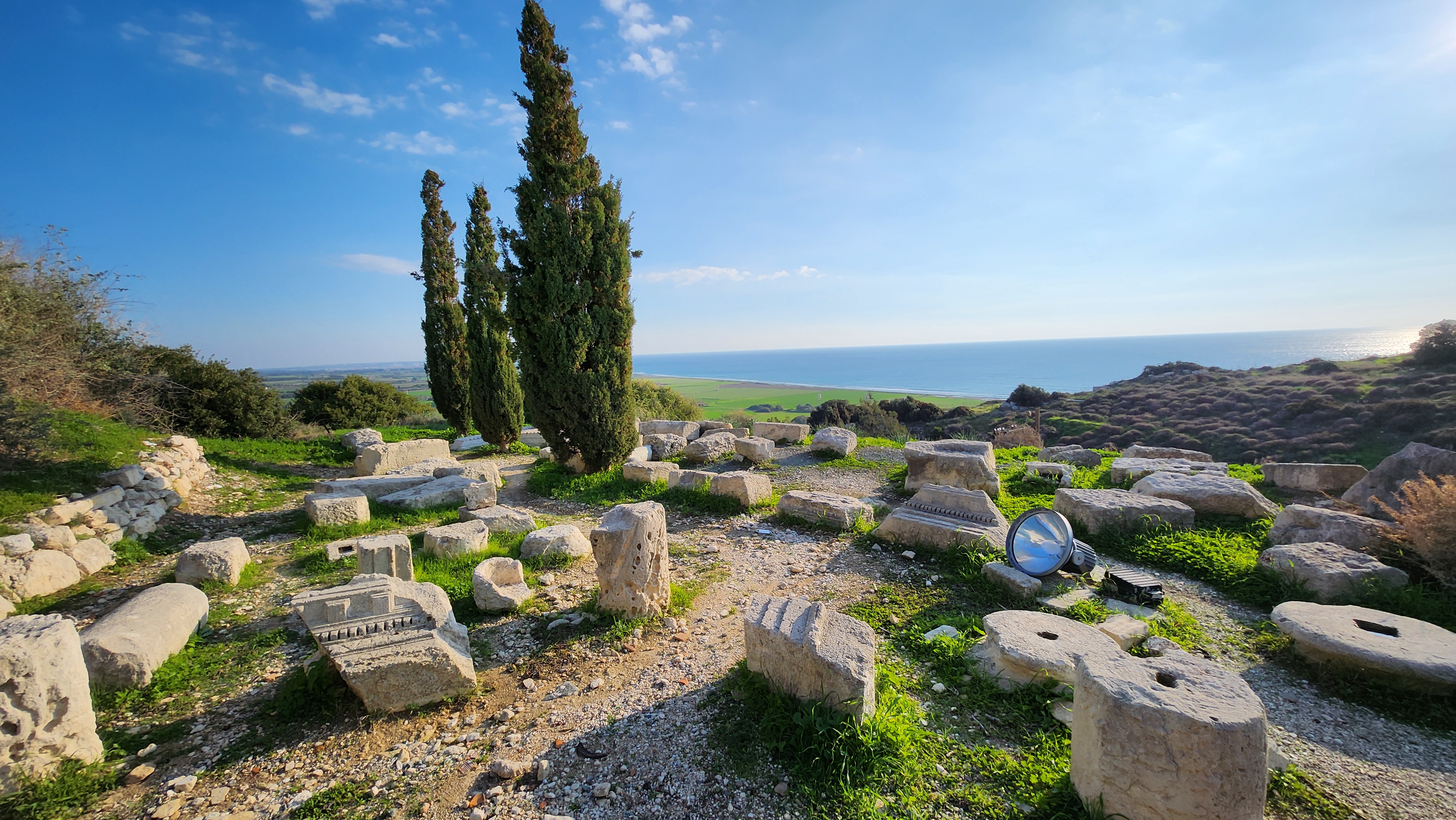
Ancient architectural details
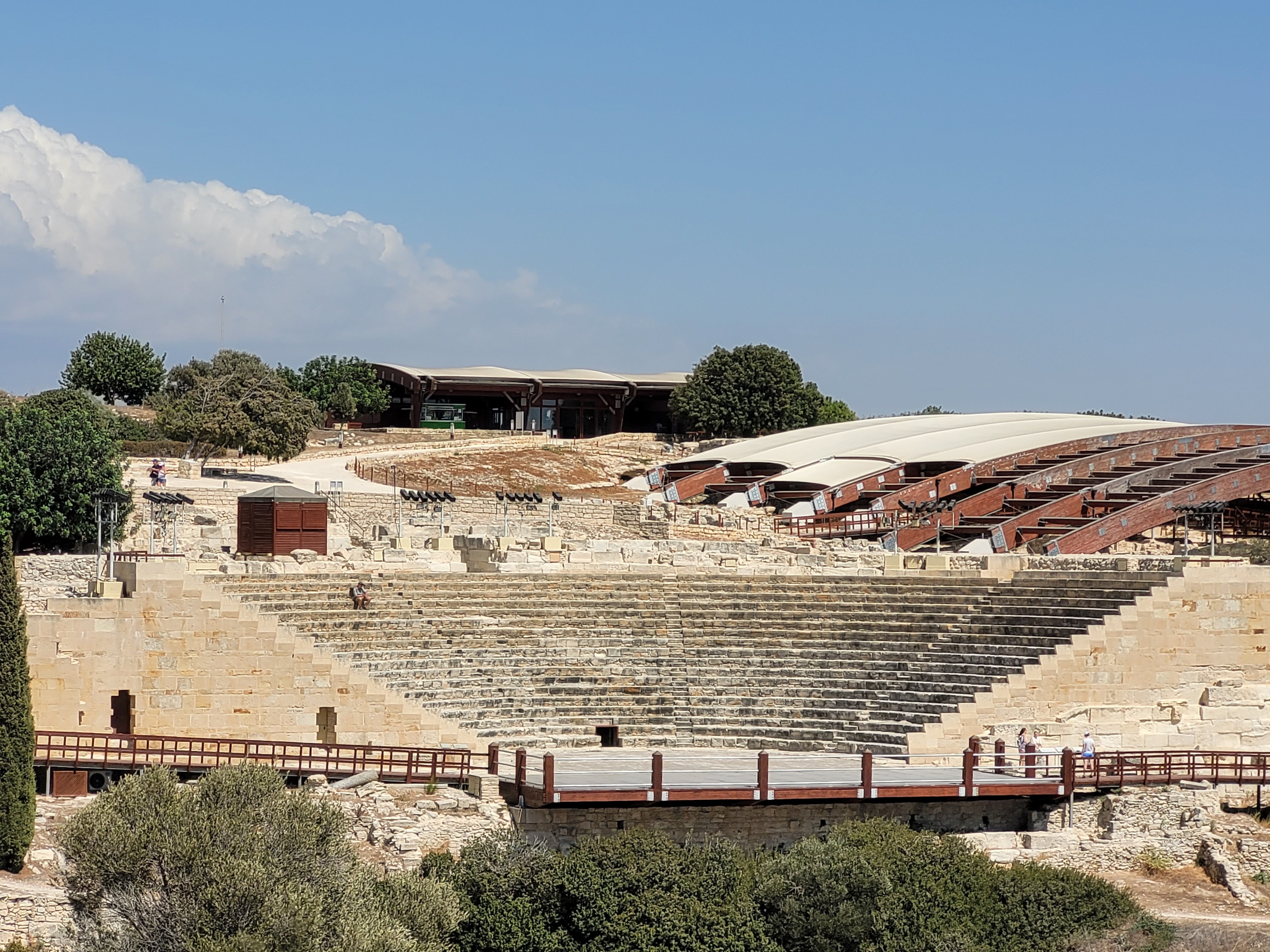
Cavea and scenic background
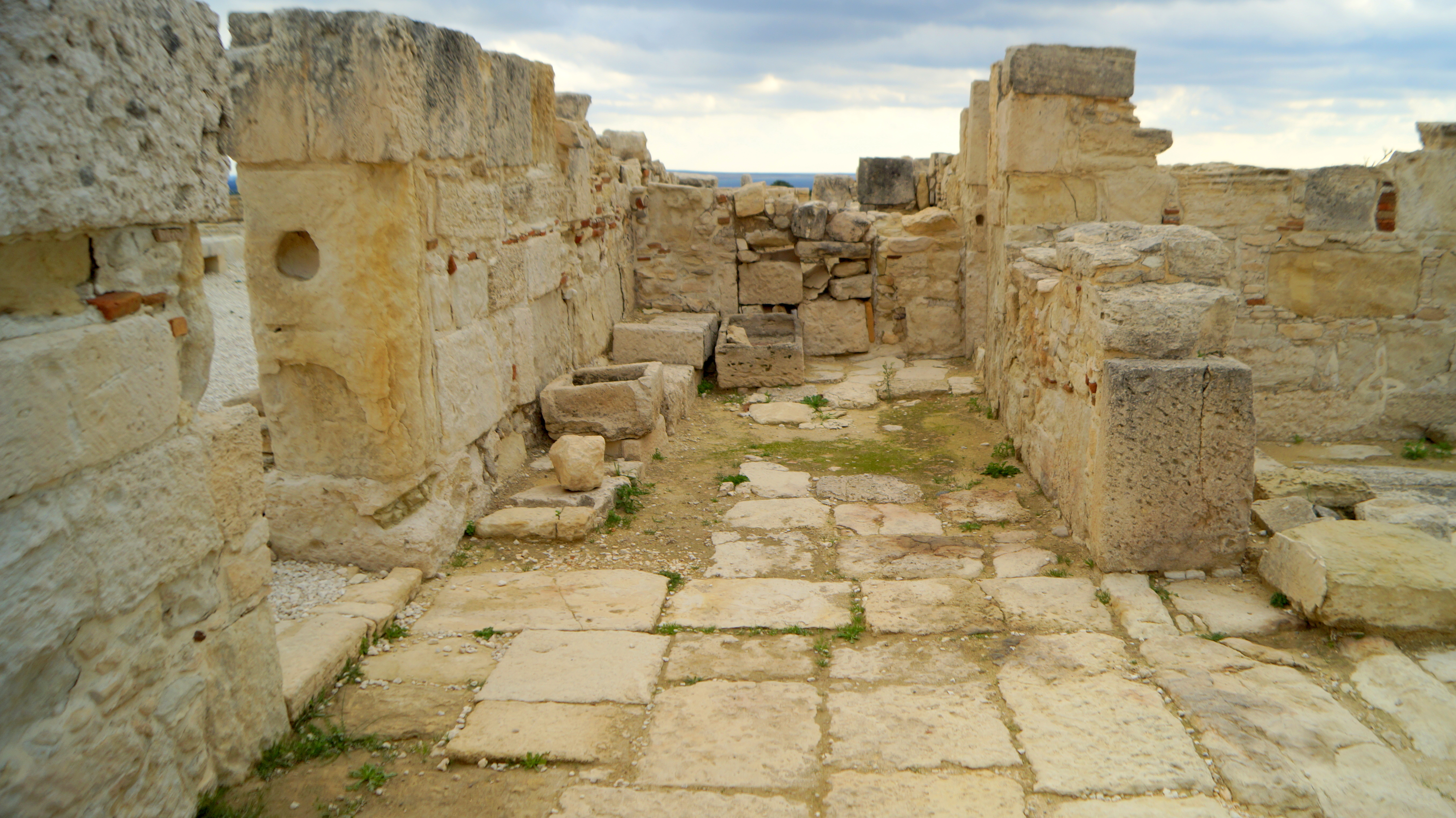
Visitors exploring the site
All photos are the property of their respective photographers. Copyright reserved to the original photographers.
Visitor Reviews
Reviews can be viewed via Google Maps.
Absolutely stunning! The view from the theater is breathtaking. A must-visit in Cyprus.
Incredible ancient site with amazing acoustics. The Mediterranean backdrop is spectacular.
Rich history and well-preserved. The theater still hosts performances - magical atmosphere!
Beautiful site with great views. Recommend visiting in the morning to avoid crowds.
Fascinating piece of history. The audio guide was very informative.
One of the best archaeological sites in Cyprus. The theater is remarkably preserved.
Frequently Asked Questions
Q:What are the opening hours of Kourion Theater?
The site is open daily from 8:30 AM to 5:00 PM (winter) or 8:30 AM to 7:30 PM (summer). Last admission is 30 minutes before closing.
Q:Is there an entrance fee?
Yes, there is an entrance fee of €4.50 for adults. Children under 12 enter free, and EU seniors (65+) are eligible for reduced tickets. Groups of 10 or more receive a 20% discount. The Department of Antiquities also offers site passes valid at all its monuments and museums: €8.50 for one day, €17.00 for three days and €25.00 for seven days.
Q:Are there guided tours available?
Yes, guided tours are available through the Department of Antiquities or private tour operators. Audio guides may also be available at the entrance.
Q:Is the site accessible for wheelchair users?
The main path to the theater is partially accessible, but the ancient stone steps and uneven terrain may be challenging. Contact the site in advance for assistance.
Q:Can I take photos or fly a drone at the site?
Personal photography is generally allowed for private use. Drones and commercial filming require prior permission from the Department of Antiquities of Cyprus.
Q:Can I bring food or have a picnic?
To protect the ancient remains, picnicking inside the archaeological site is not permitted. Tavernas and cafes are available in Episkopi village and along Kourion Beach.
Q:How hot does it get in summer, and how should I prepare?
In July and August daytime temperatures often exceed 35°C with intense sunshine. Visit early in the morning or late afternoon, and bring water and sun protection.
Q:When is the site busiest, and how can I avoid the crowds?
Tour groups typically arrive after 10:00 AM. Arriving right at opening time (8:30) or during the late afternoon gives you a much quieter experience.
Q:What facilities are available at the entrance?
Toilets, a ticket office, a small gift shop and a parking area are available at the entrance. See the Facilities section for details.
Q:Where can I find the schedule of performances at the theater?
During summer, ancient Greek drama, concerts and dance performances take place in the theater. The program is announced by the organizing bodies — check official announcements before planning your visit.
Summer Events & Performance Season
Every year from June to September, the ancient theater comes alive on warm summer evenings.
The exact program is announced by the organizing bodies. This independent guide represents no organization and sells no tickets.
June
The season opens with classical Greek drama performed in the ancient theater as the sun sets over the sea.
July
Peak season: Greek tragedies and comedies, traditional music and dance evenings fill the warm summer nights.
August
Concerts, recitals and folk performances continue; the full moon often lights the ancient stage.
September
The season winds down with final drama performances and music events before the cooler months.
Practical Notes
- 1.Performances usually begin in the evening after sunset — arrive early to enjoy the theater in daylight.
- 2.Tickets often sell out in July and August; book in advance.
- 3.The exact program is announced by the organizing bodies — always confirm the official schedule before planning your visit.
Sources & Further Reading
This page is an independent, non-commercial educational guide. Main reference materials:
- Department of Antiquities of Cyprus (Deputy Ministry of Culture)
- Visit Cyprus — Kourion Archaeological Site
- Limassol Tourism Board
- Kourion Municipality
- Europeana — Cyprus Antiquities Digital Collection
Opening hours, fees and facilities may change without notice. Please confirm with official sources before your visit.
Map Location
MV7Q+P49, Episkopi, Akrotiri and Dhekelia 4620, Cyprus
For official updates and regional tourism information, visit
Cyprus Official Tourism Portal (Visit Cyprus)